REPAIRING THE SEVERANCE
The Diary | August 2026
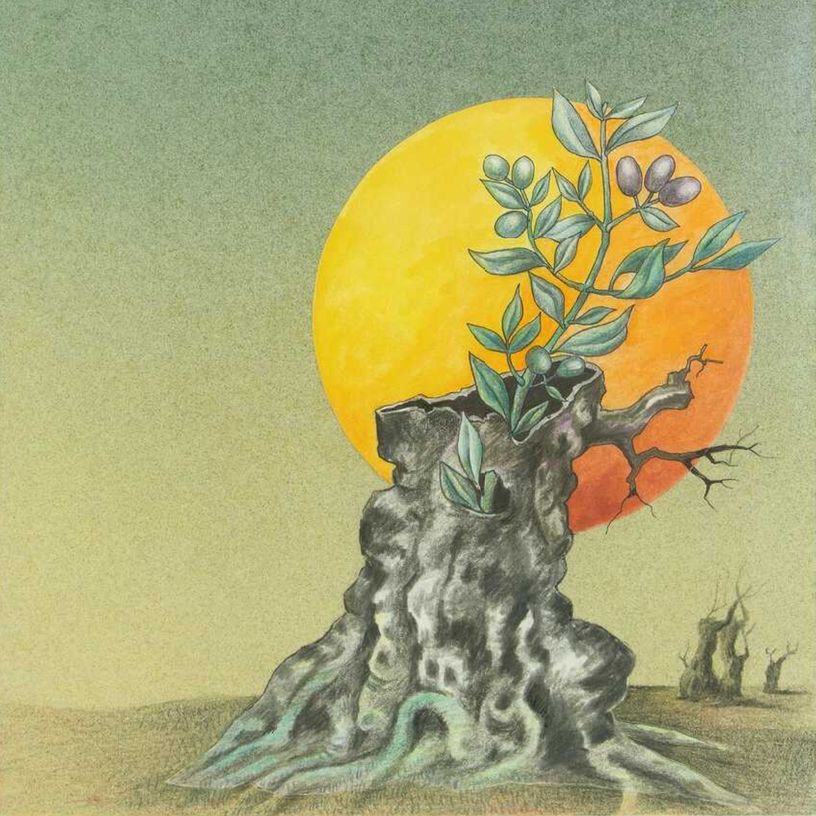
This issue opens with a conversation worth passing along. On That Decolonial Center, Camille Sapara Barton argues that rest is neither a luxury nor a personal failing to correct. It is a sacred practice that capitalism has systematically dismantled and replaced with an insistence on continuous output: the body managed as a machine, conditioned to skip the pause.
I. LISTENING
The Body Is Not a Machine
"Latest stage capitalism wants us to operate like machines as much as possible. Just part of that severing. Like 'oh no, we're not divine beings that are part of the Earth, we're machines who just have to run on productivity.' To me, that's embodied colonization."
— Camille Sapara Barton
Camille describes this condition as a severing: a detachment from internal sensation, from the land, from our ancestral cosmology, and from the basic capacity to stop. Repair cannot happen through a five-minute breathing exercise tucked into a packed calendar. It requires an accumulative, steady practice that operates well outside productivity metrics.
There is also a genealogy worth highlighting. Camille traces the lineages of somatic practices past modern Western branding back to older ancestral traditions. These include Eastern energy work like Tai Chi, Qigong, and Yoga; Indigenous African practices involving trance and ritual dance, as well as relational modalities like family constellations adapted from Zulu traditions; and bodywork techniques like osteopathy and craniosacral therapy, which draw from Cherokee and Shawnee traditions in North America.
II. READING
A Glimpse into China's Dance works
Interestingly, three pieces in July and August came from China. Each offers its own entry point into posture, lineage, and physical memory.
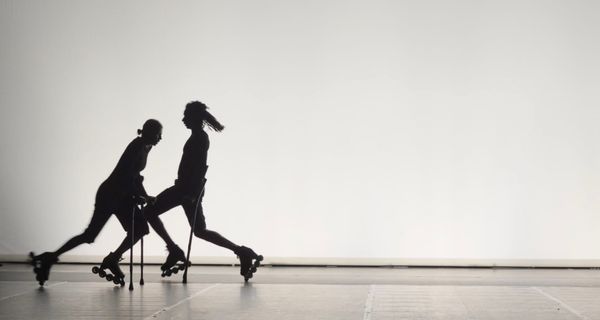
- Harper Wang's Mo: Wang’s dance film operates in abstraction rather than narrative. The review traces how screen framing, shadow, and movement hold memory and isolation without resolving either into a linear story.
➔ READ THE REVIEW
 a Dance Mag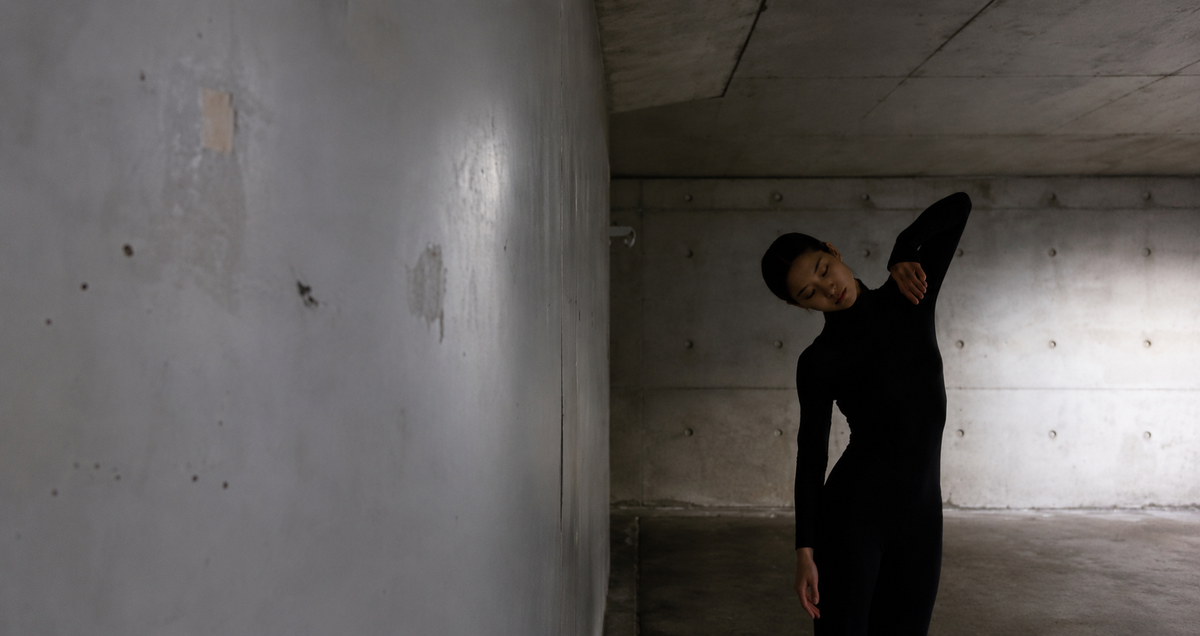
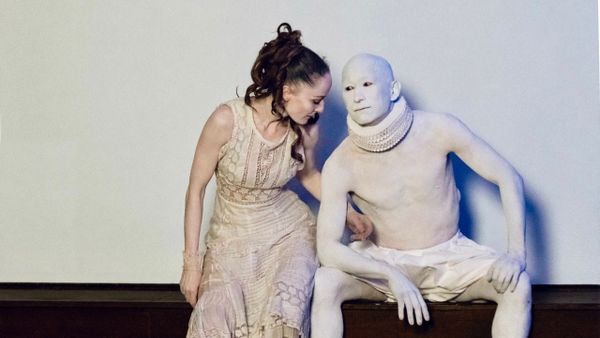
- She-Ritual (Ling Huang): Huang’s work draws directly on feminine ritual and embodied memory. Lineage here is not an abstract concept, it lives in hips, hands, and breath: something the body carries rather than merely represents.
➔ READ THE REVIEW
 a Dance Mag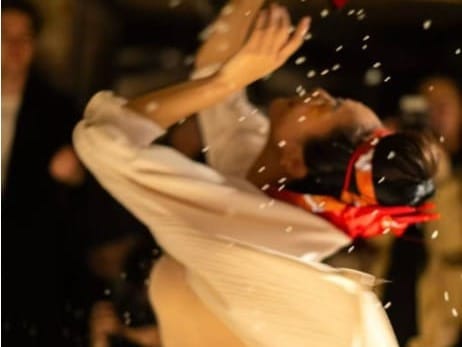
- Chinese Dance and the Politics of Posture: Kari Fu’s essay approaches posture in Chinese dance as a historical record. From the tilt of a head to the alignment of the spine, Fu traces how social pressure and institutional discipline are written into physical form.
➔ READ THE REVIEW
 a Dance Mag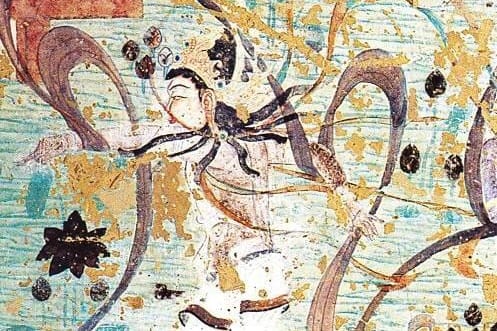
III. WATCHING
On Our Radar
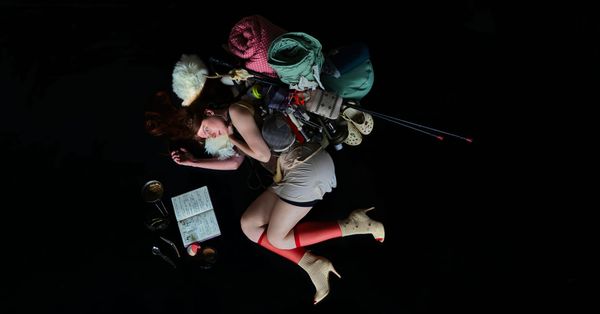
- TUNE BACK (time): Premiering this September in Leipzig and Dresden. Read our preview piece ahead of the performance dates.
➔ READ THE PREVIEW
 a Dance Mag
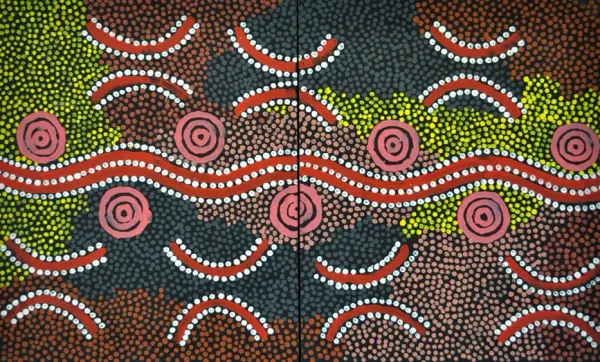
- Brisbane Festival 2026: This preview tracks how the festival program engages First Nations performance and questions of land relation.
➔ READ THE PREVIEW
 a Dance Mag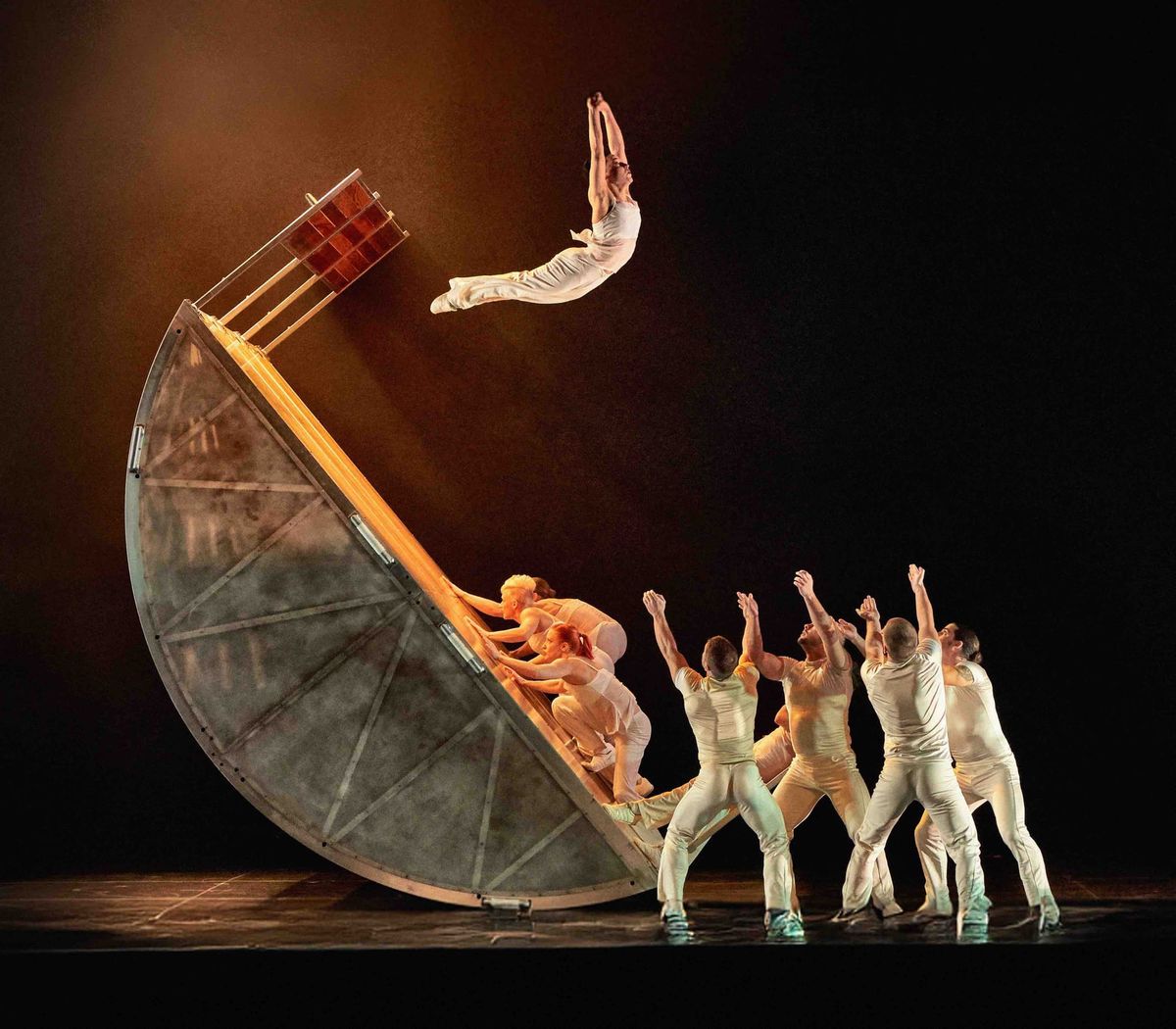
- The Devil's Fiddle: A UK production built around folklore, live music, and oral tradition. The review addresses how the piece stages myth without reducing it to simple spectacle.
➔ READ THE PREVIEW
 a Dance Mag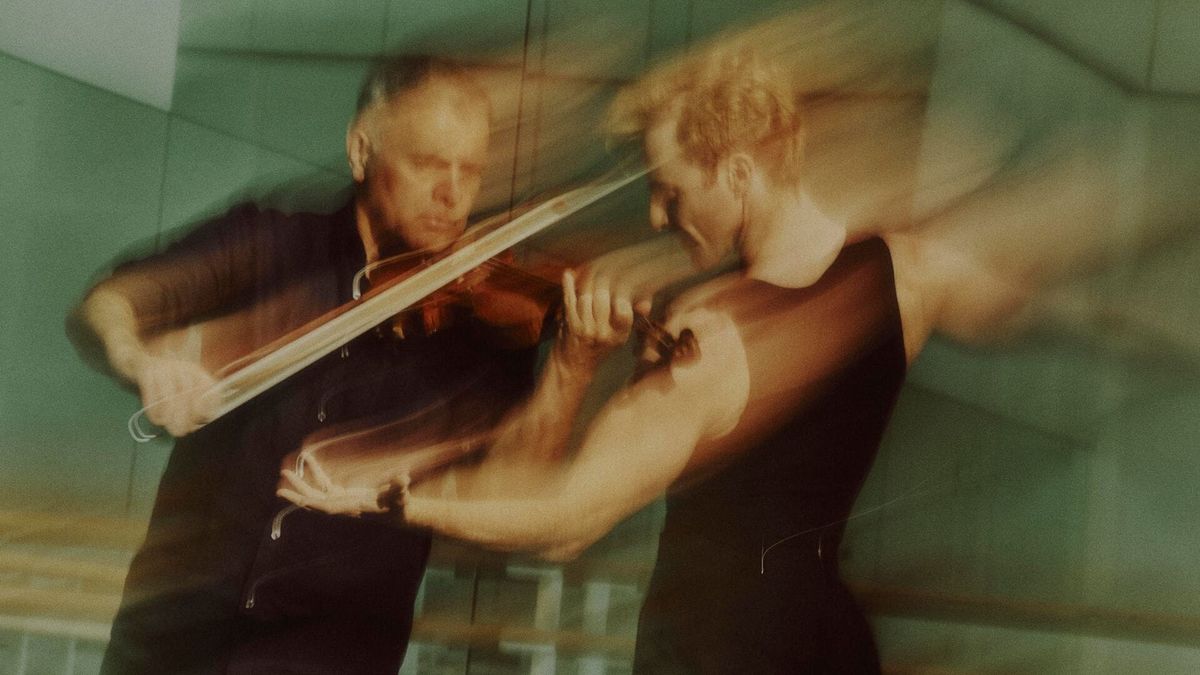
"Embodied decolonization seeks to repair this severing and reconnect, not just with feeling and sensing and the wisdom of our bodies, but also reconnecting to the lands that we find ourselves on, our own ancestral lineages and beyond."
— Camille Sapara Barton
Rest well, and until next time.