Our ancestors aren’t behind us – they’re ahead
The Diary | October 2026


Modern life invites us to stand on a single point called "now." Behind us, we are told, lie the generations that came before, stacked like layers we have left beneath us; ahead lies progress. In his book The Rise and Fall of Generation Now, Tim Ingold thinks this image gets life wrong. Generations are not layers but lives that overlap along their length, twisting around one another like the fibers of a rope, and life is renewed in the collaboration of that overlap. Nor is a life lived inside a place; it runs along a trail, and where trails cross, our lives entwine. People on the move are therefore never rootless, because they make places by passing through them. And our ancestors are not behind us but ahead, since we follow in their footsteps, each in our own way. Progress, on this view, is a process of renewal and continuity rather than an erasure of the past.
The artists in these pages are already walking this trail. Let’s follow it through them.
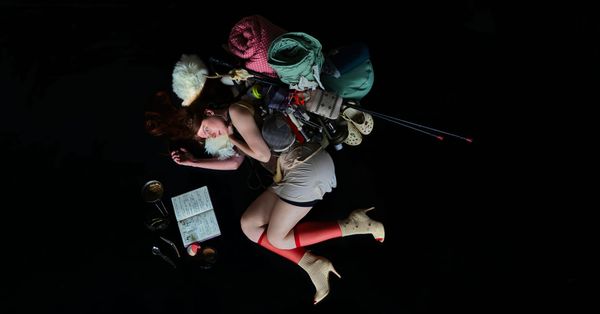
It starts with a bridge. Sara Pizzi left Italy for New York expecting to build one life and became someone she hadn’t planned on. Her choreography, passed to new casts in Verona and Osaka, comes out different each time, rebuilt by every new set of hands. In kösh, Sofia Greben walks across the land, with a stick strung with bells and a raincoat that turns into a tent. She carries a Kazakh folk dance that turns out to have been shaped by the Soviet stage, so no clean origin waits at the end of her path, only the layers it passed through. kösh premieres at LICHTHOF Theater in Hamburg on October 16 and 17.
 a Dance Mag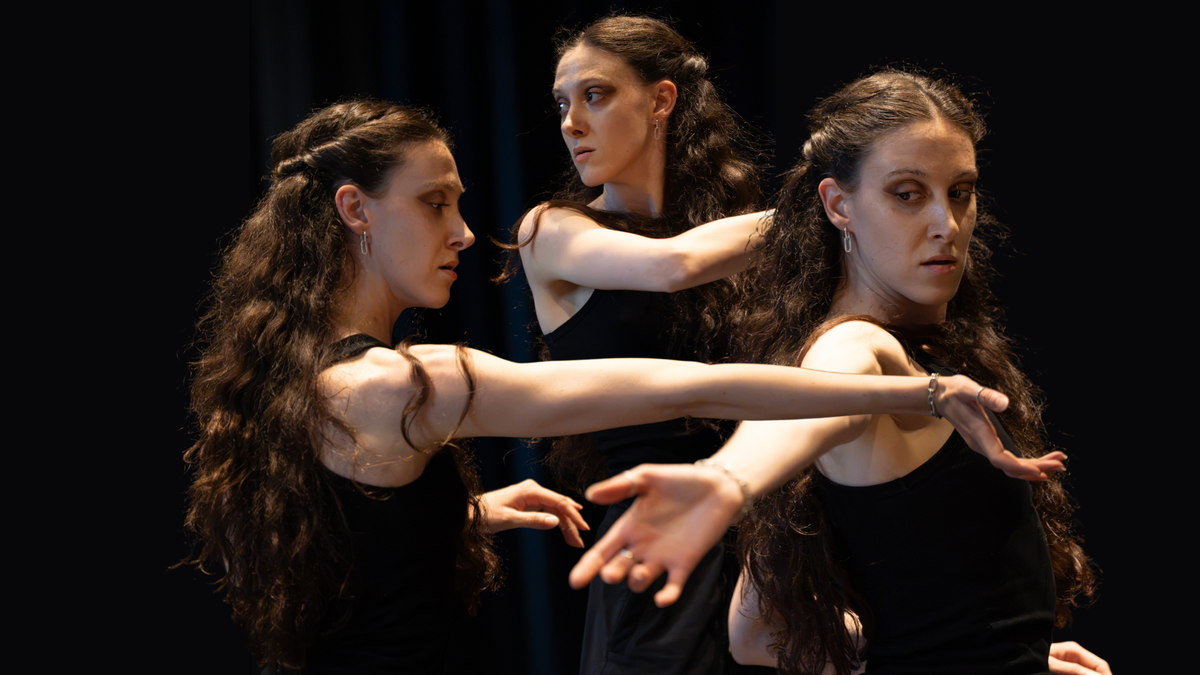
 a Dance Mag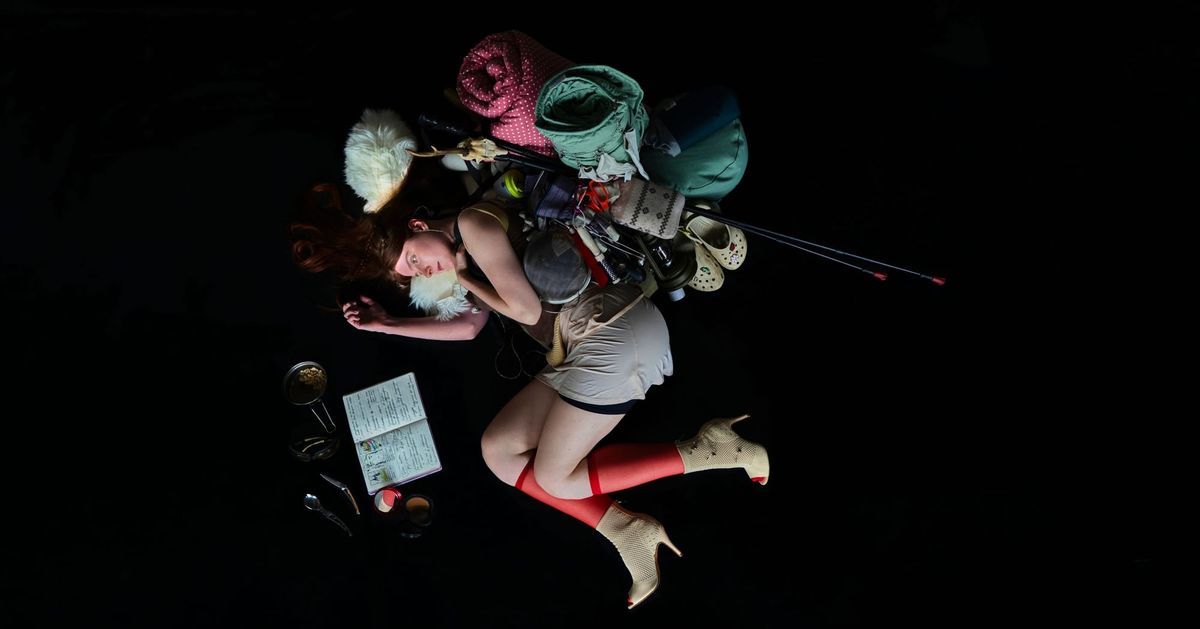
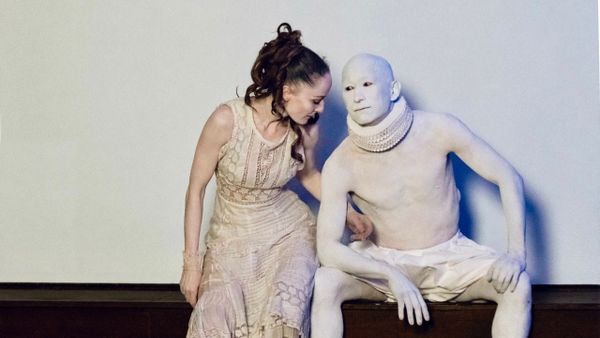
The path leads to a house. In Wilma Casal’s dance film Ancestral Shadows, three sisters come home to the ghosts of their ancestors. The ghosts embody the roles passed down through generations of women. Casal pictures that inheritance as a marionette’s invisible strings, and gives the ancestors space and voice. ZINADA’s NAMI, in Suzanne Fischer’s review, follows a war’s violence through three generations of Korean women, including the moment a mother and daughter learn to follow each other “one arm’s length at a time.”
 a Dance Mag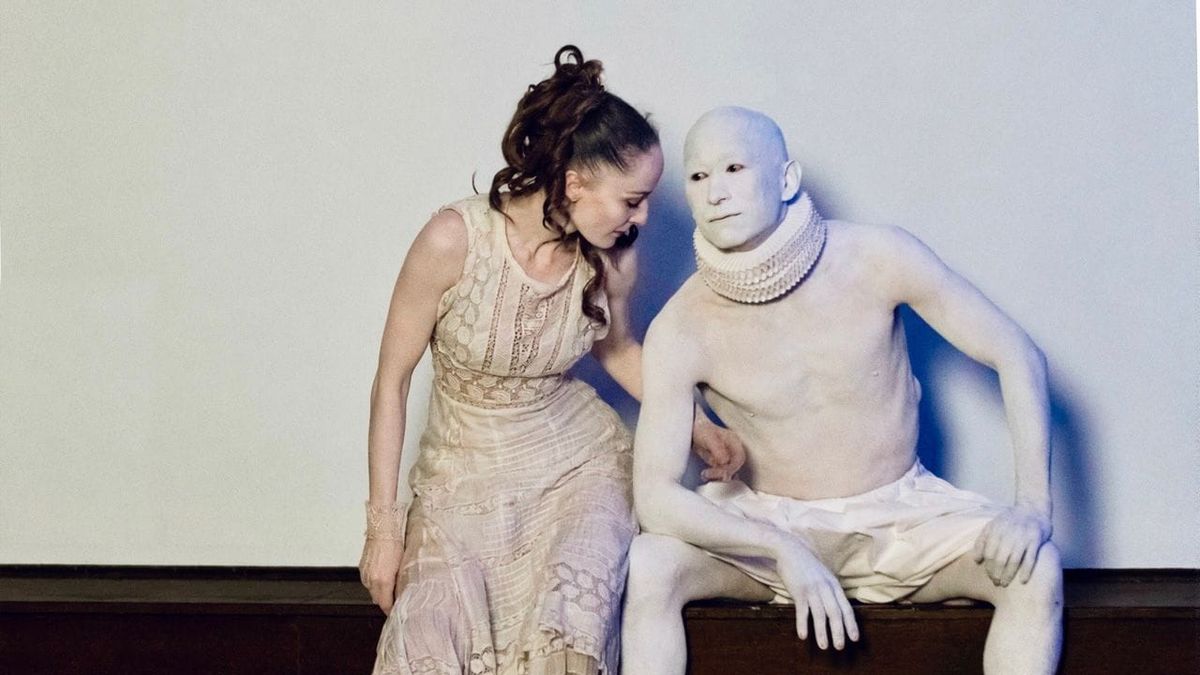
 a Dance Mag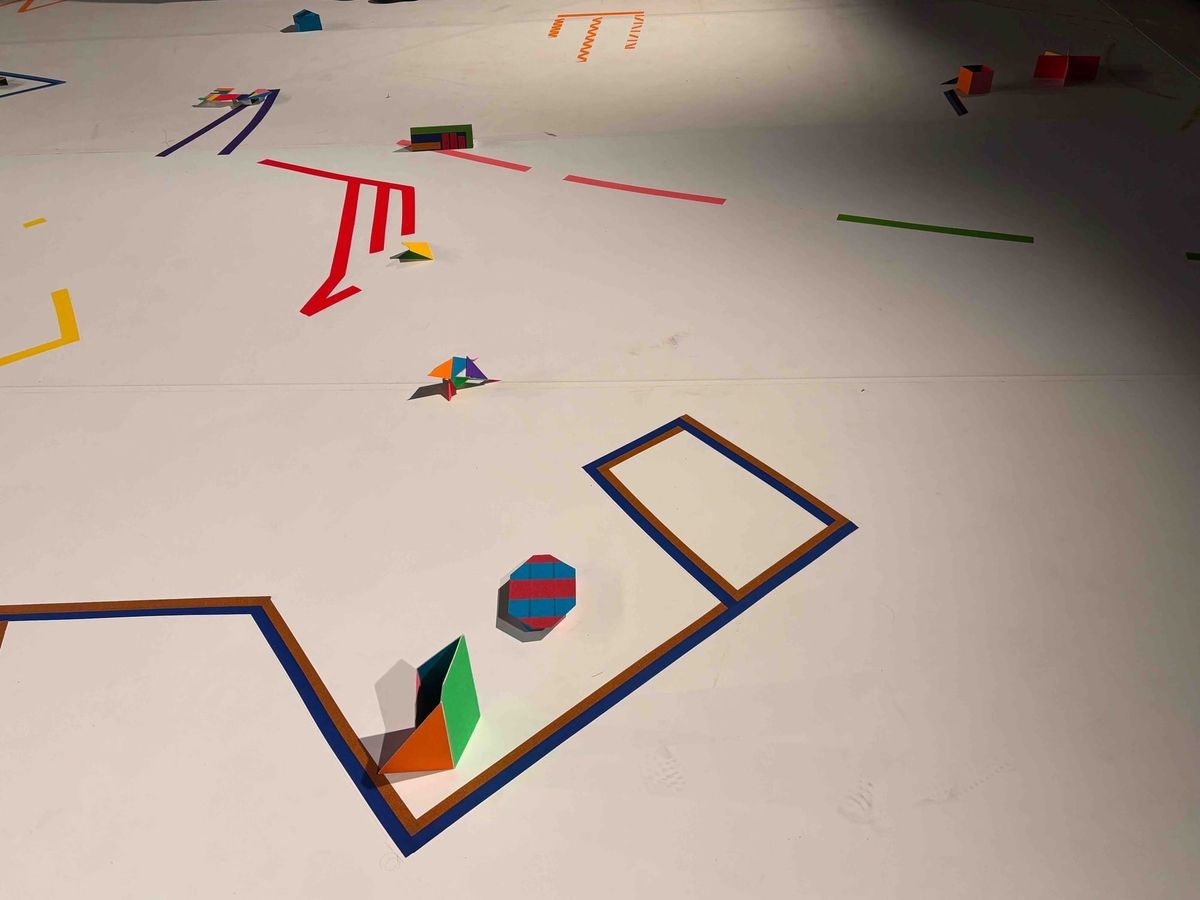
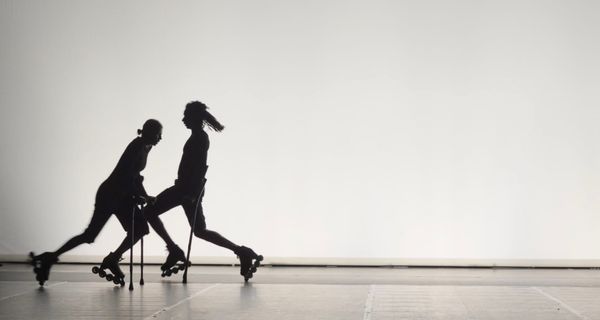
Then the trail crosses ground that someone else claims. Luke Murphy’s Scorched Earth centers on a man outbid by an outside investor for land he has tenanted for years, while dancers draped in moss move as the land; reviewed by Leila Lois. When the rinks closed, Oktawia Ścibior and Samory Ba took glide onto pavement on inline skates, and the ground taught them new rules. Ba is now turning toward the rhythms of Senegal, older steps to find again on wheels, in Greta Pieropan’s interview.
 a Dance Mag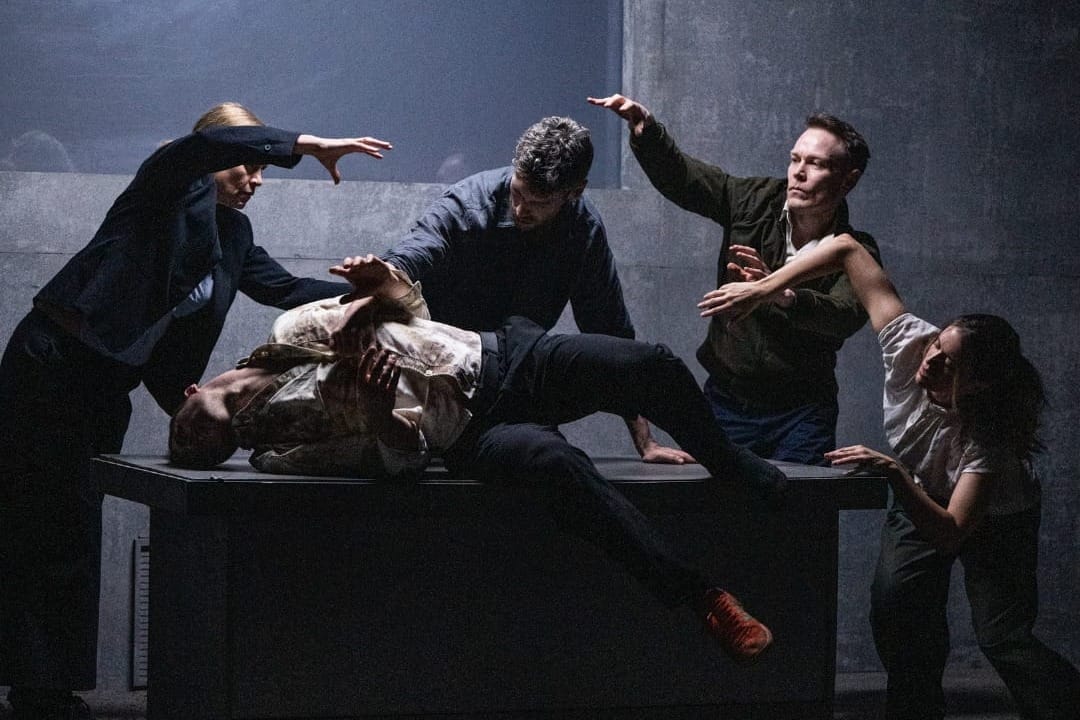
 a Dance Mag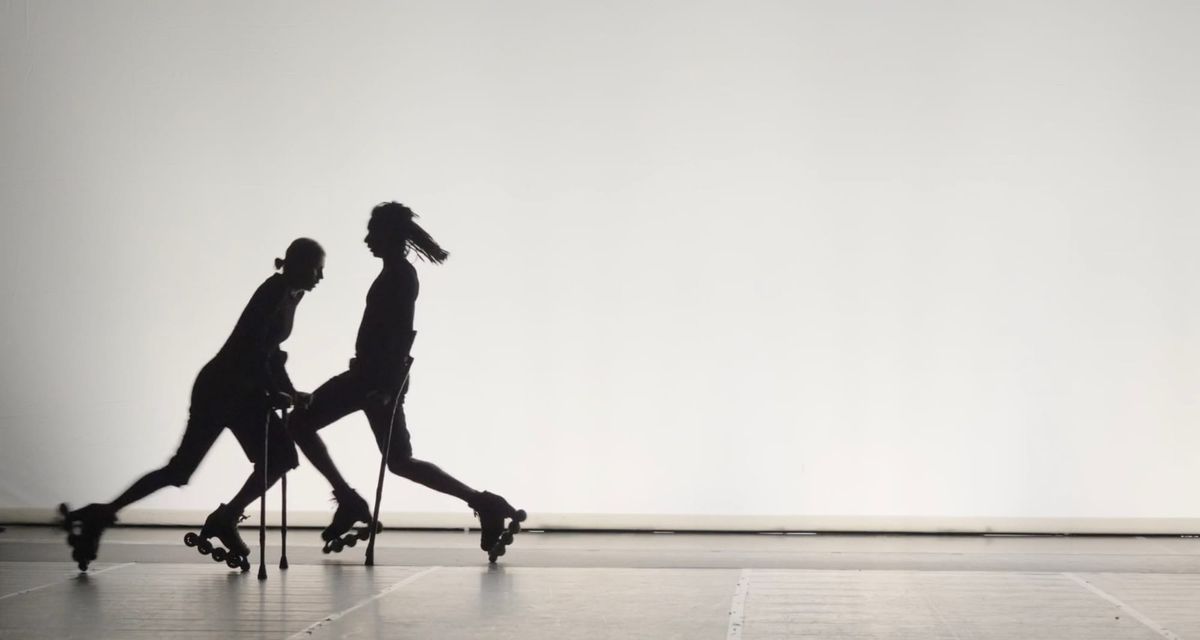
At the end of the path stands a gate. Patric da Cunha, writing from the Brazilian diaspora in Brussels, says the word contemporary was built as one. It decides whose movement counts as now and sends the rest back to heritage. Ingold’s trail has no such gate. In his view, the present is simply where the ancestors keep walking.
 a Dance Mag
We hope you’ll enjoy this trail!