What Remains: A Thematic Journey Through Brisbane Festival
What do we take from this life, this land, this community, and what do we leave behind? Leila Lois talks to Ebony Bott and the artists shaping her first Brisbane Festival programme (4–26 September, 2026) to find out.

by Leila Lois
"An arts festival has an opportunity to feed the local arts ecology," Bott says of her approach to programming, a vehicle, as much as anything, for sharing work that is genuinely local alongside work that reaches far beyond Brisbane. It's Bott who first draws the line between two of the festival's dance-theatre works, No-one Gets Out of Here Alive and Shel We, as companion pieces walking toward the same territory: "mortality, what remains, what we take and give as a community."
Grief, laughter, and what remains
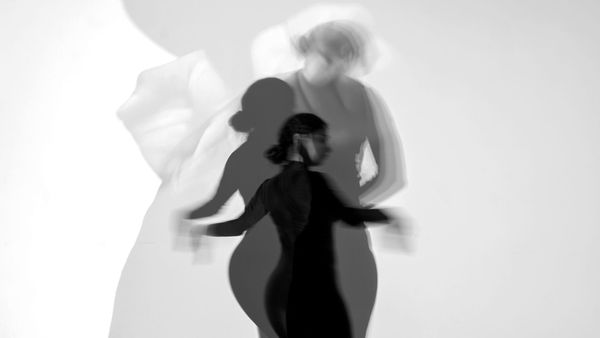
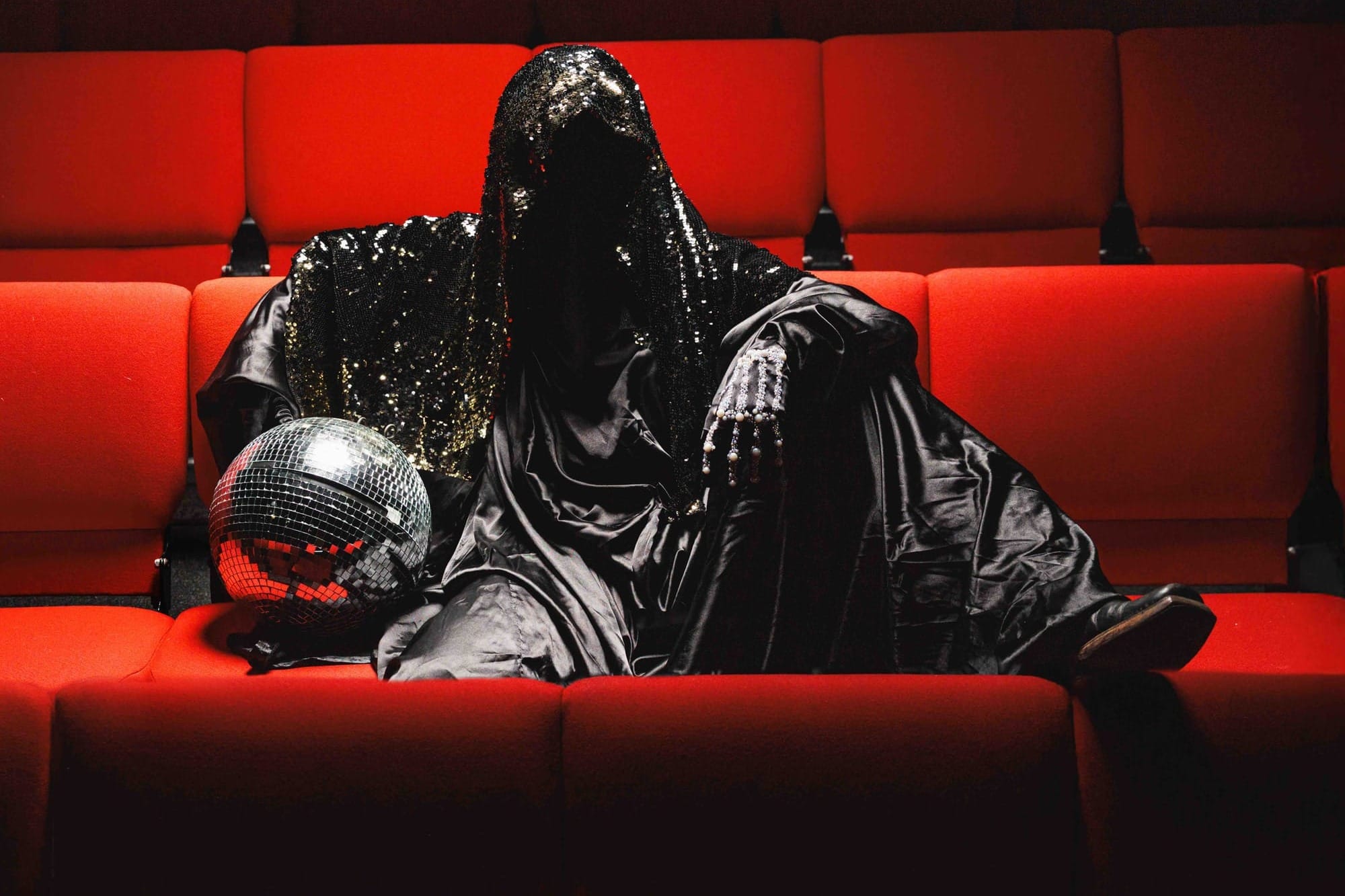
That territory belongs most directly to No-one Gets Out of Here Alive, from Gold Coast dance company The Farm, led by Gavin Webber. It's a work built on the premise that comedy and grief are not opposites but neighbours. "Humour is important when dealing with intense emotions, like grief," Webber says. "Humour opens us emotionally and makes us receptive to other feelings." The show closes not with a curtain call but an invitation: a voluntary post-show meditation, offered to hold space for collective grief and healing. Webber traces the company's sensibility back to European theatre, and Pina Bausch in particular, whose influence shows up as "the focus on emotion, caring not how someone moves, but what moves them," delivered, still, with what he calls "distinctly Aussie" disarming honesty. The intent, he says, is for audiences to leave "invigorated and meditative, a sense of expansiveness, how to celebrate life, catharsis and contemplate death at the same time."
Land, inheritance, and who we belong to
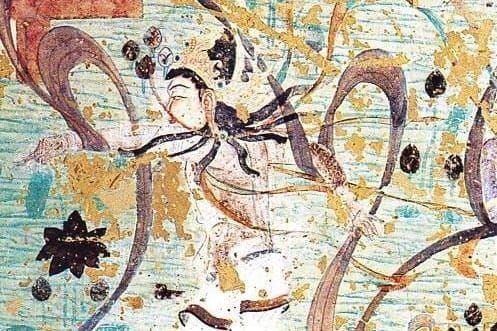
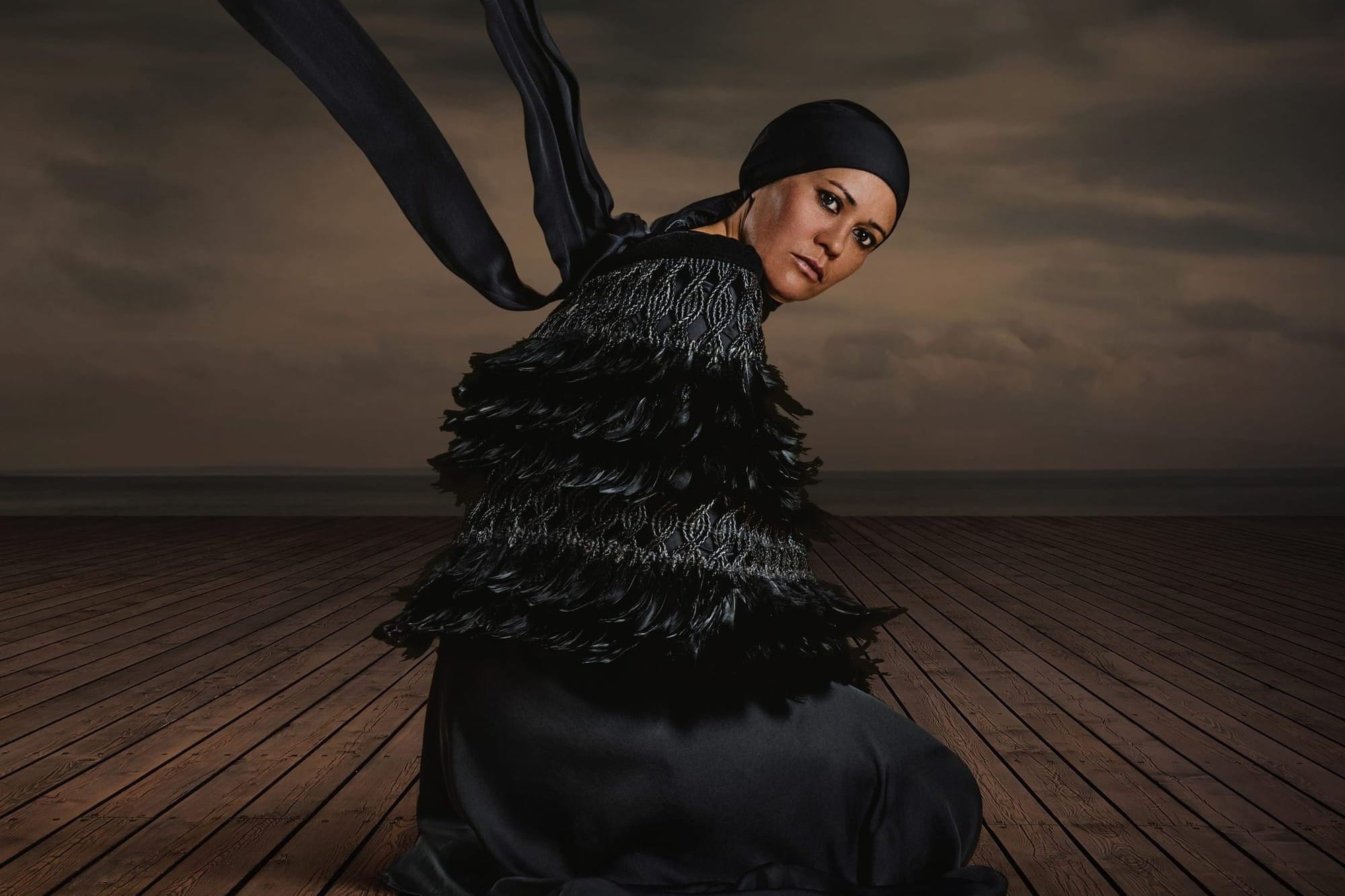
If No-one Gets Out of Here Alive asks what we take from a life, Scorched Earth asks the same question of land. Choreographer Luke Murphy has built a dance-theatre whodunnit, a cold case unravelled in an interrogation room, built for true-crime devotees and dance audiences alike. But underneath the genre trappings is a more specific reckoning, one Murphy connects explicitly to Tiriti o Waitangi and the broader question of "relationships to land, when we're of a place or from a place." It's a question that recurs, differently framed, in Tiri: Te Araroa — Woman Far Walking, director and writer Katie Wolfe's work centring a Māori woman "born when the treaty was signed" and now 186 years old. Built bilingually over more than a year of workshopping, with actors learning te reo Māori for the role, the work moves through waiata, haka and translation alongside video and digital design. Wolf calls it a resurgence, and pointedly, a "call to the rangatahi to step up": loss and inheritance addressed to the generation that has to carry it forward.
Imagination as a way of looking closer
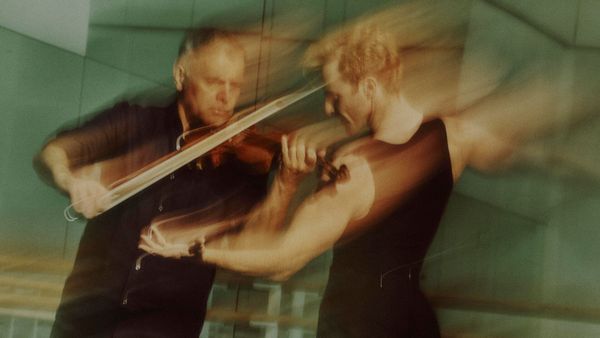
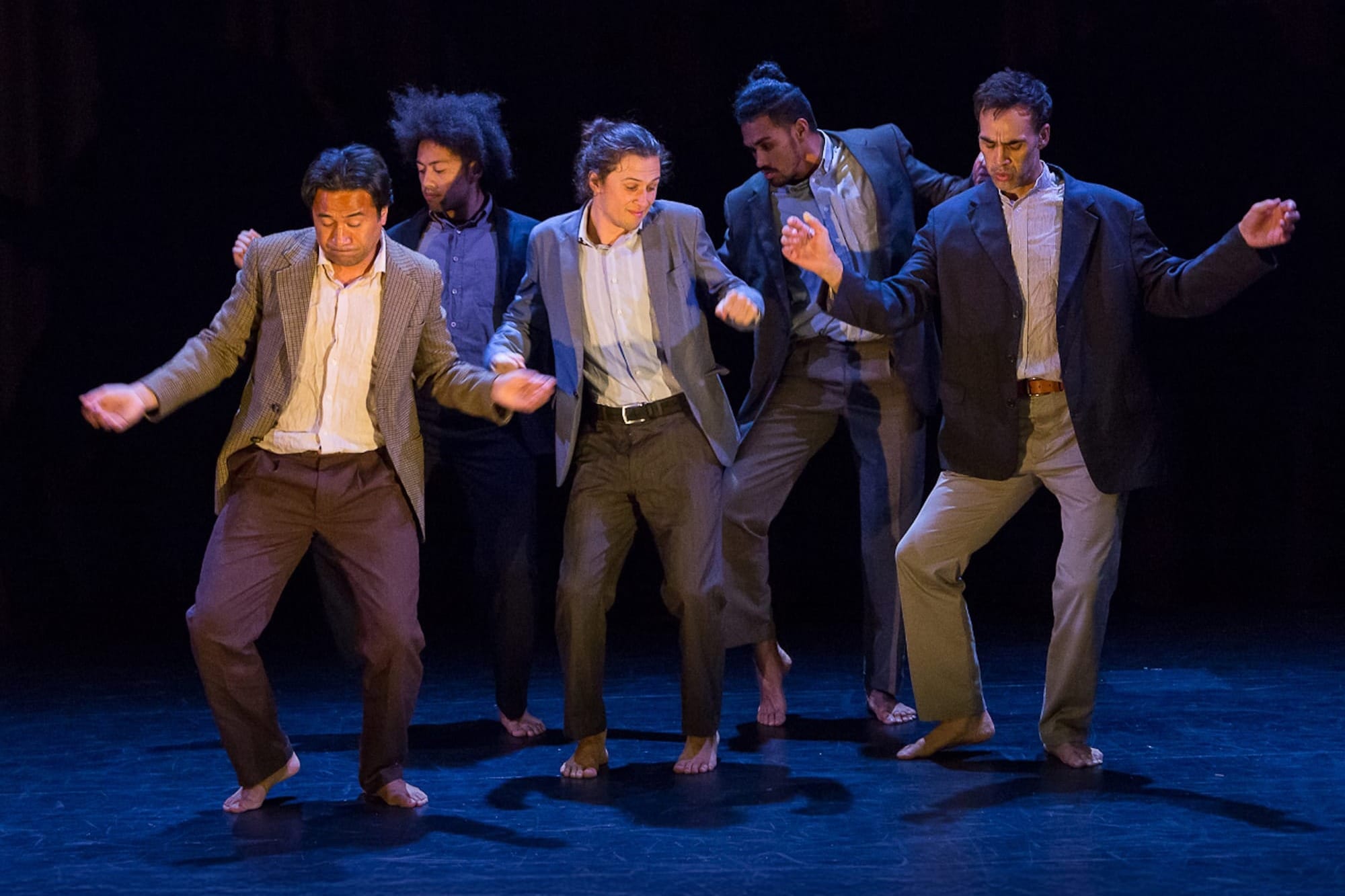
Where Scorched Earth and Woman Far Walking look backward, Shel We looks sideways, at the strange, tender logic of childhood. Choreographer Tupua Tigafua built the work from Shel Silverstein's The Giving Tree, which he first encountered at 22: a boy who takes everything from a tree across his lifetime, and a tree that, even reduced to a stump, doesn't seem to mind. "Imagination is a nice way of understanding life," Tigafua says, "a way to look at the world more deeply," finding beauty in the collision of humour and tragedy, rather than resolving one into the other. The original cast, including performers he first worked with as first-years, are returning for this remount, which Tigafua describes as a chance "to reconnect with people who know the work": childhood memories layered against new perspectives, on stage and off.
Escape, trust, and the case for coming together
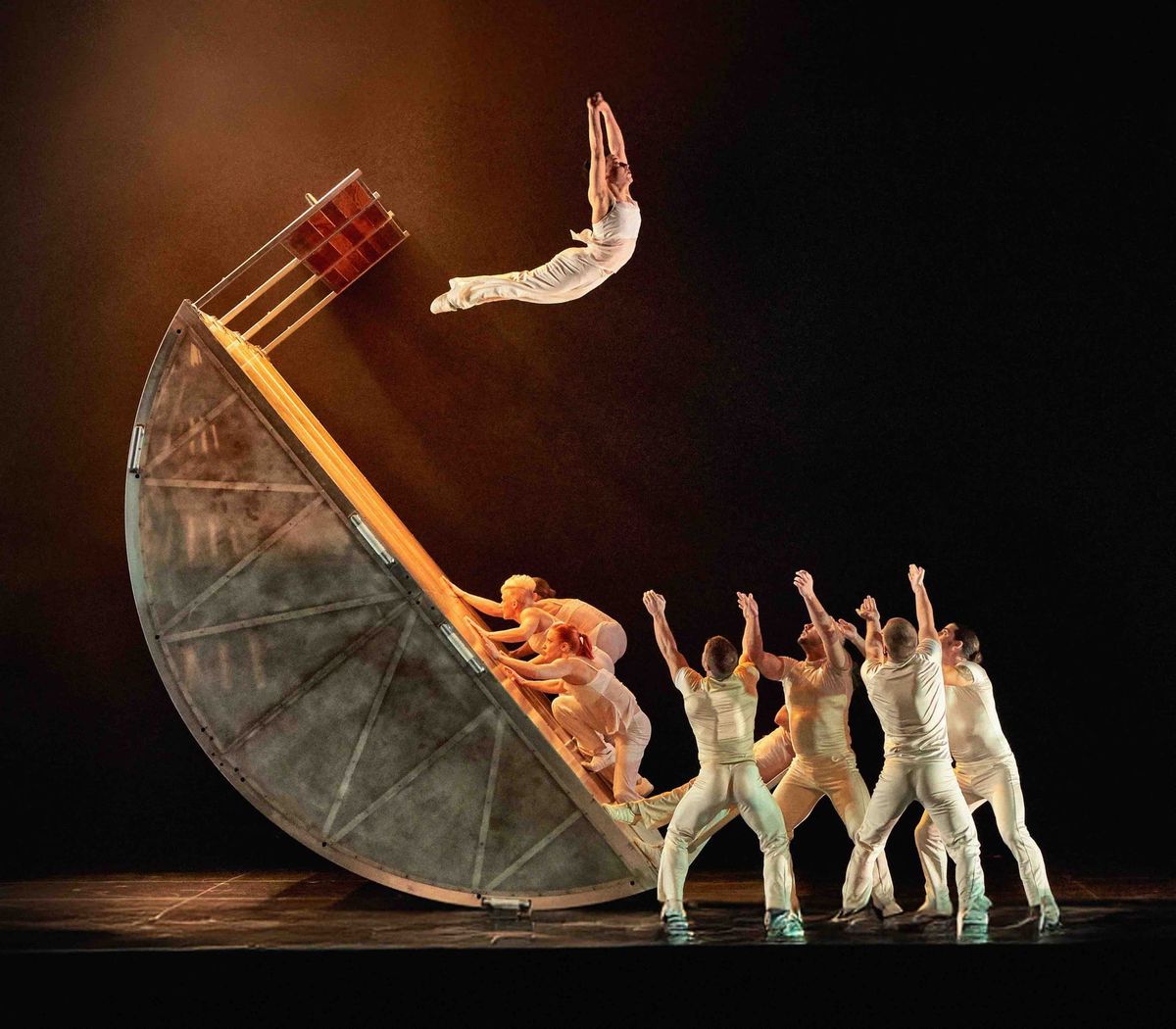
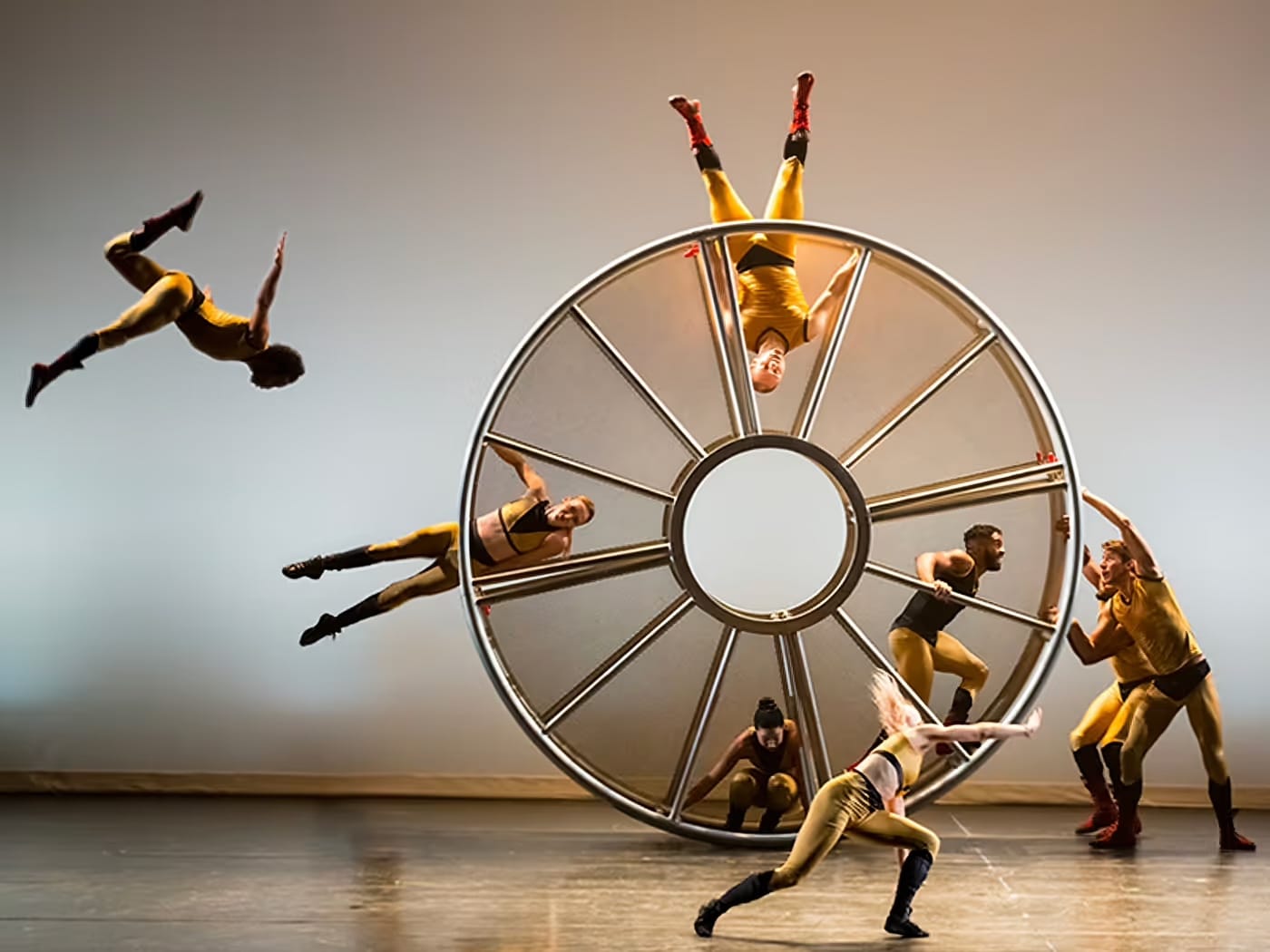
And then there's ESCAPE, the Australian premiere from Los Angeles company DIAVOLO, which takes the festival's thematic thread and turns it into something closer to a survival exercise. "I have no idea what the audience is going to expect," says creative director Jacques Heim, of a work he describes as part ballet, part acrobatics, part martial arts, staged around architectural structures, "a French chef creating a salad," tossing genres together in celebration of "the human spirit, in this crazy world we live in." Its 22 performers, Heim says, locked themselves into the rehearsal space to build something closer to a community than a cast, drawing, in part, on work with military veterans navigating PTSD, to create what he calls "a battalion of love." Every rehearsal begins the same way: a circle, fifteen to twenty minutes given over to emotional, mental and physical wellbeing. "You have to be able to share," Heim says. "We start this way." The result, he hopes, is something audiences take with them rather than simply watch, "art peace," as he puts it, "not art piece."
Across five wildly different works, a whodunnit, a children's book, a 186-year-old woman, a rehearsal-room ritual, a wake that ends in meditation, Bott's first Brisbane Festival keeps circling the same unresolved question, refusing to answer it the same way twice: what do we owe the place, the people, and the time we are given… and what do we leave when we go.
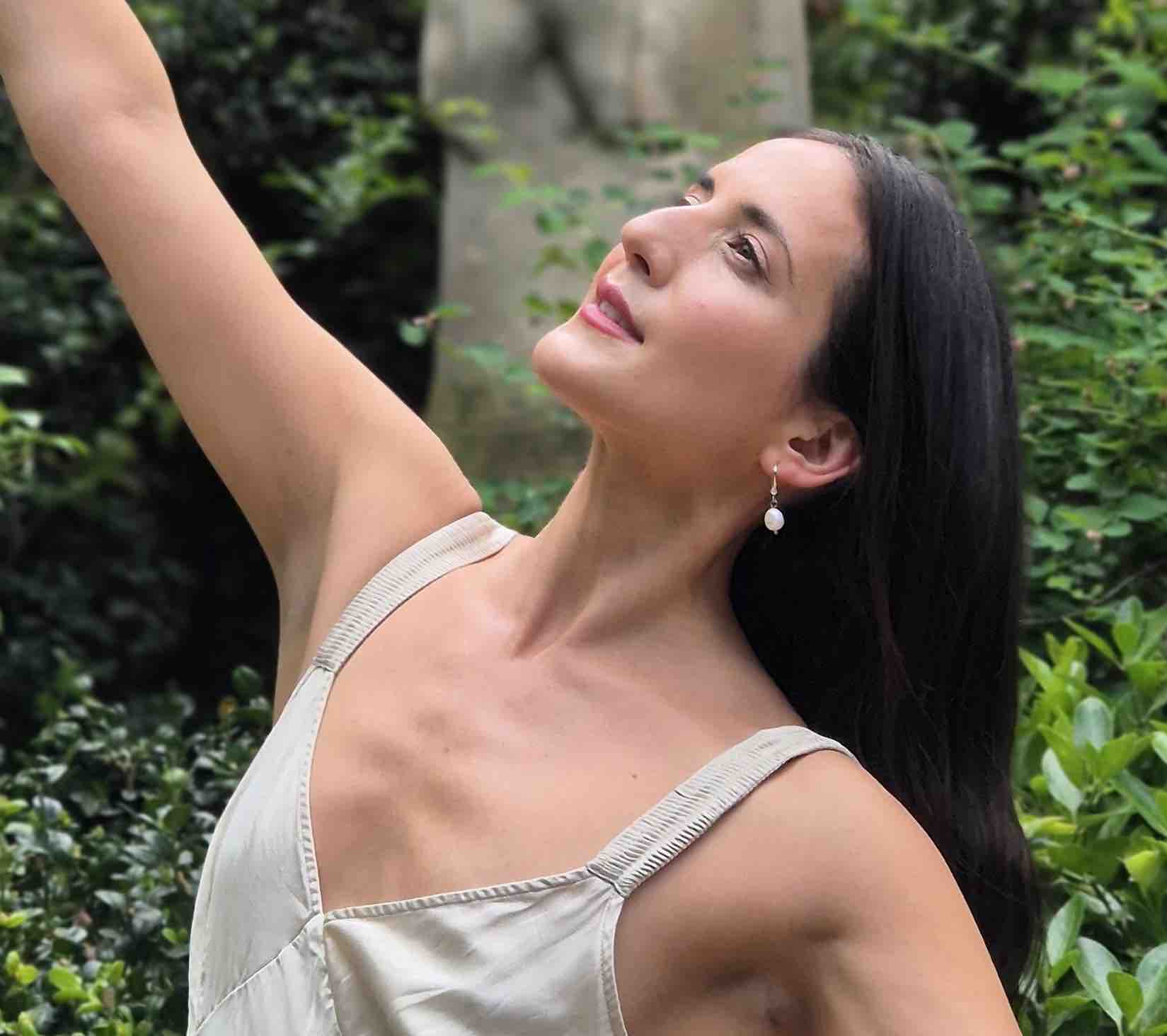
Leila Lois is a dance writer specialized in features, criticism and creative writing that captures feeling and place. Published internationally from Australia to Canada, she brings diverse media experience to every story, finding personality in culture worldwide.