Ten Contemporary Dance Highlights This December
From intimate encounters to large-scale choreographic visions, ten performances offer a glimpse into the breadth and variety of contemporary dance on stage this December 2026.
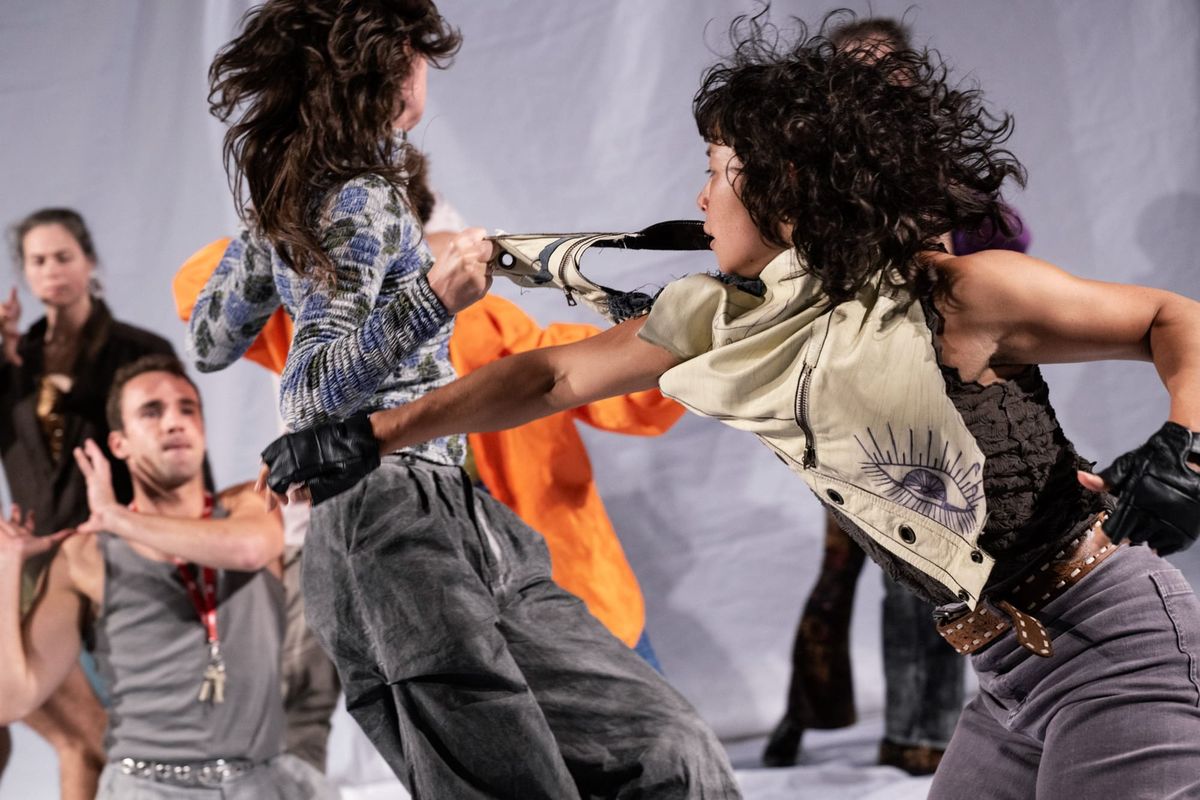
The diversity of the contemporary dance scene is particularly appealing to us this December. Here are ten works that caught our attention.
The Sea is History
Betty Tchomanga · 3–8 December · Théâtre de la Bastille · Paris, France
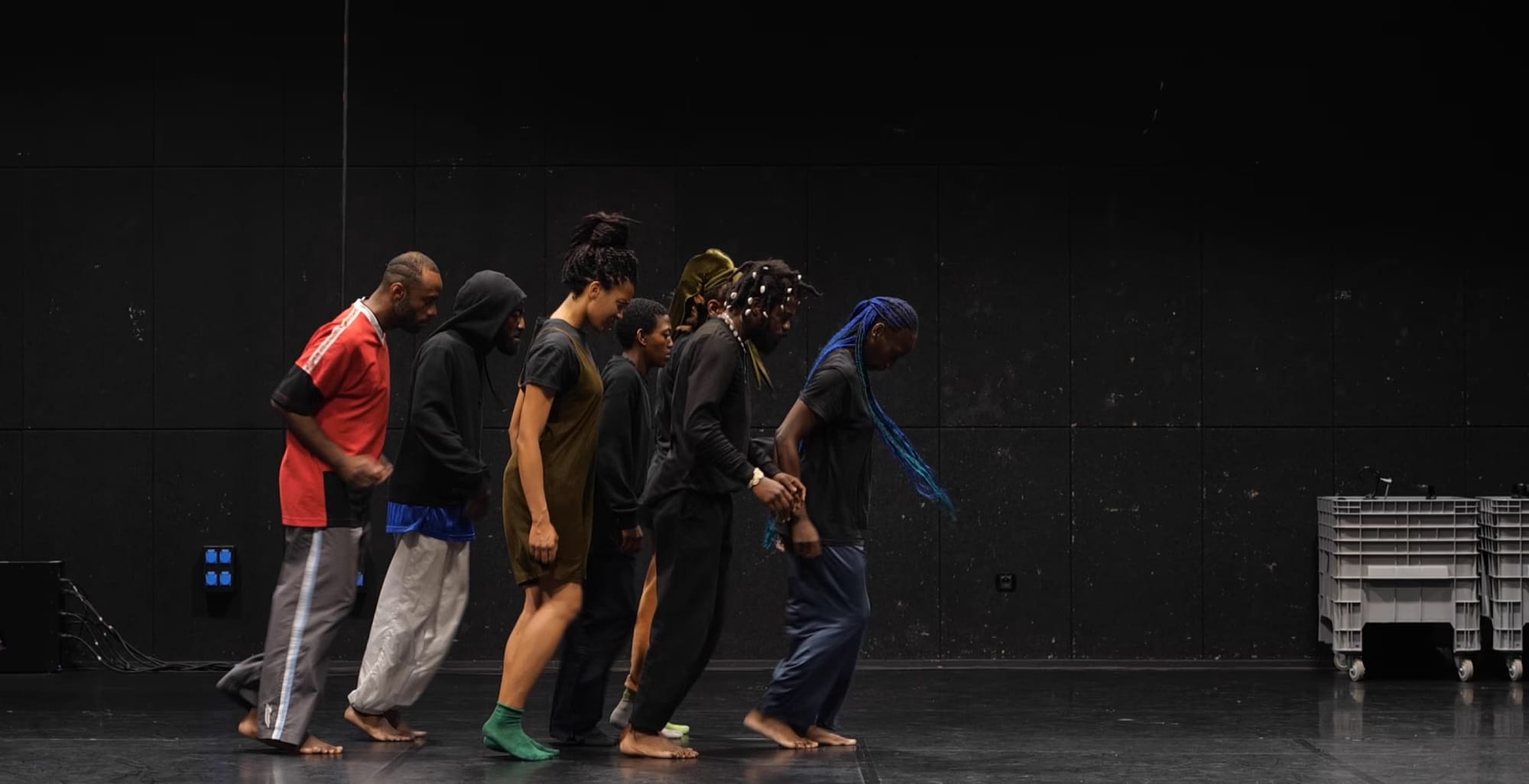
In The Sea is History, choreographer Betty Tchomanga explores the living memories and identities of the African diaspora through the history of the Atlantic Ocean, which both connects and separates Europe, Africa, the Americas and the Caribbean. Drawing on writer Saidiya Hartman's concept of “critical fabulation,” the work brings together archival traces, memory and imagination to reclaim histories shaped by colonial violence and erasure. Set to an incantatory, hybrid musical rhythm, a group of Afro-descendant dancers explore the body as a site of historical resistance. Structured around the motif of flight, the choreography becomes a subversive and political gesture.
Planet [wanderer]
Damien Jalet & Kohei Nawa · 4–5 December · Haus der Berliner Festspiele · Berlin, Germany
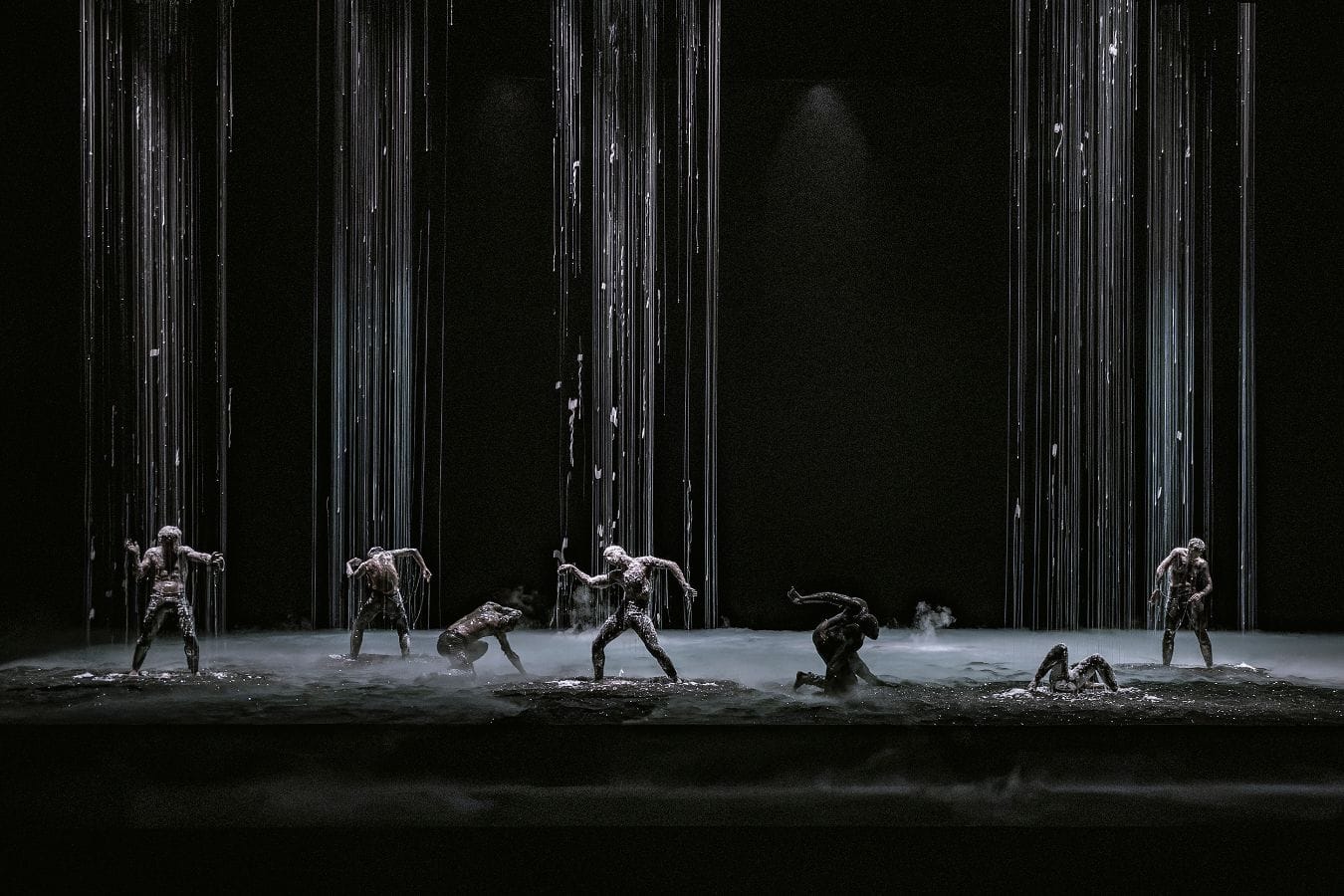
In Planet [wanderer], choreographer Damien Jalet and visual artist Kohei Nawa imagine the Earth as a living, constantly shifting landscape. Inspired by the Kojiki, the oldest Japanese book of creation myths, the work sits between scientific laboratory and mythological tale. Eight dancers move through an ever-changing landscape of black sand, smoke, liquid and light. Subjected to the forces of gravity and the resistance of materials, their bodies shift between human, mineral and liquid forms, dissolving the boundaries between the individual and the natural world. Accompanied by a sound composition by Tim Hecker, this encounter between choreography and sculptural scenography unfolds as a cosmic ritual and a visceral reflection on humanity's fragile, interdependent relationship with the planet.
Feral Reverie
Parvin Saljoughi · 5 December · Theaterzaal Biekorf · Bruges, Belgium
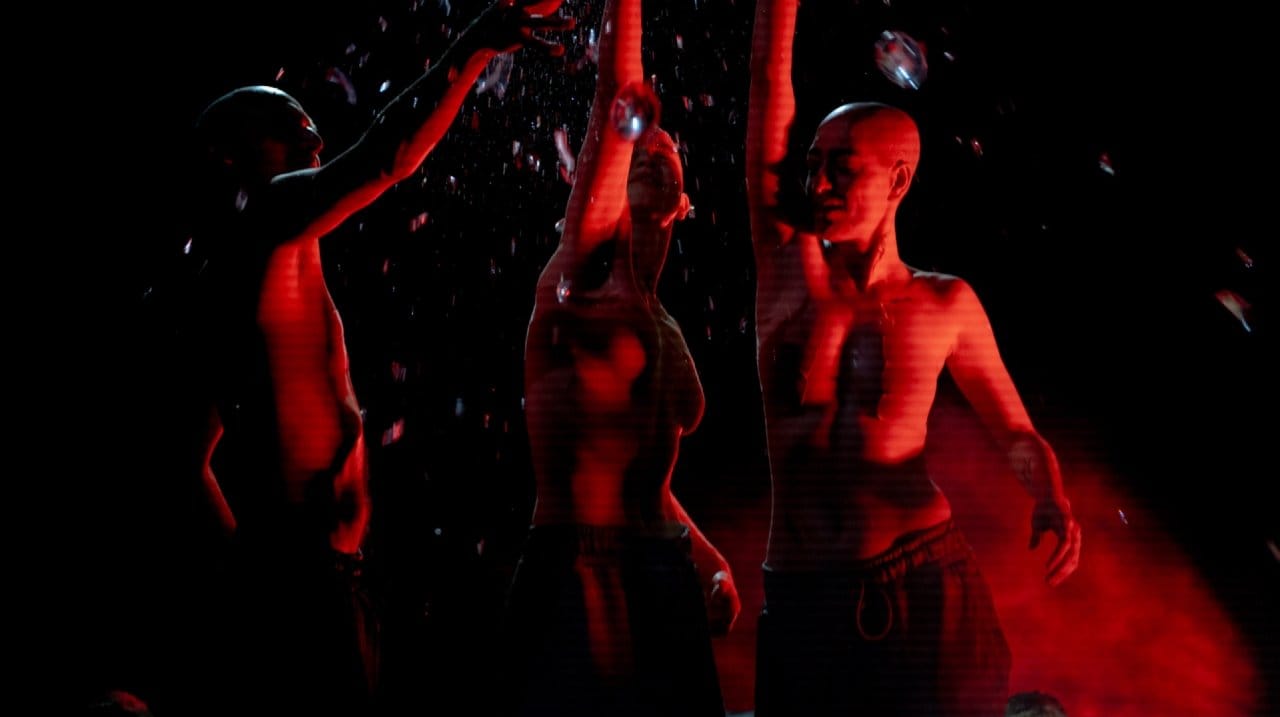
In Feral Reverie, choreographer Parvin Saljoughi imagines a broken future in which the boundaries between physical and digital existence begin to dissolve. Three performers navigate a fragmented world of digital glitches and unstable images, where physical bodies and virtual avatars coexist. Through searching, crawling, stumbling, colliding and repeatedly starting over, they inhabit a landscape in which control is slipping away and familiar ways of being are disrupted. Combining raw physical movement with video, animation and sound, the work explores wildness as an instinctive force for survival in a world where reality has become unstable.
flesh chariot, chariot of flesh
Faye Driscoll & Cullberg · 5 December · Concertgebouw Brugge · Bruges, Belgium
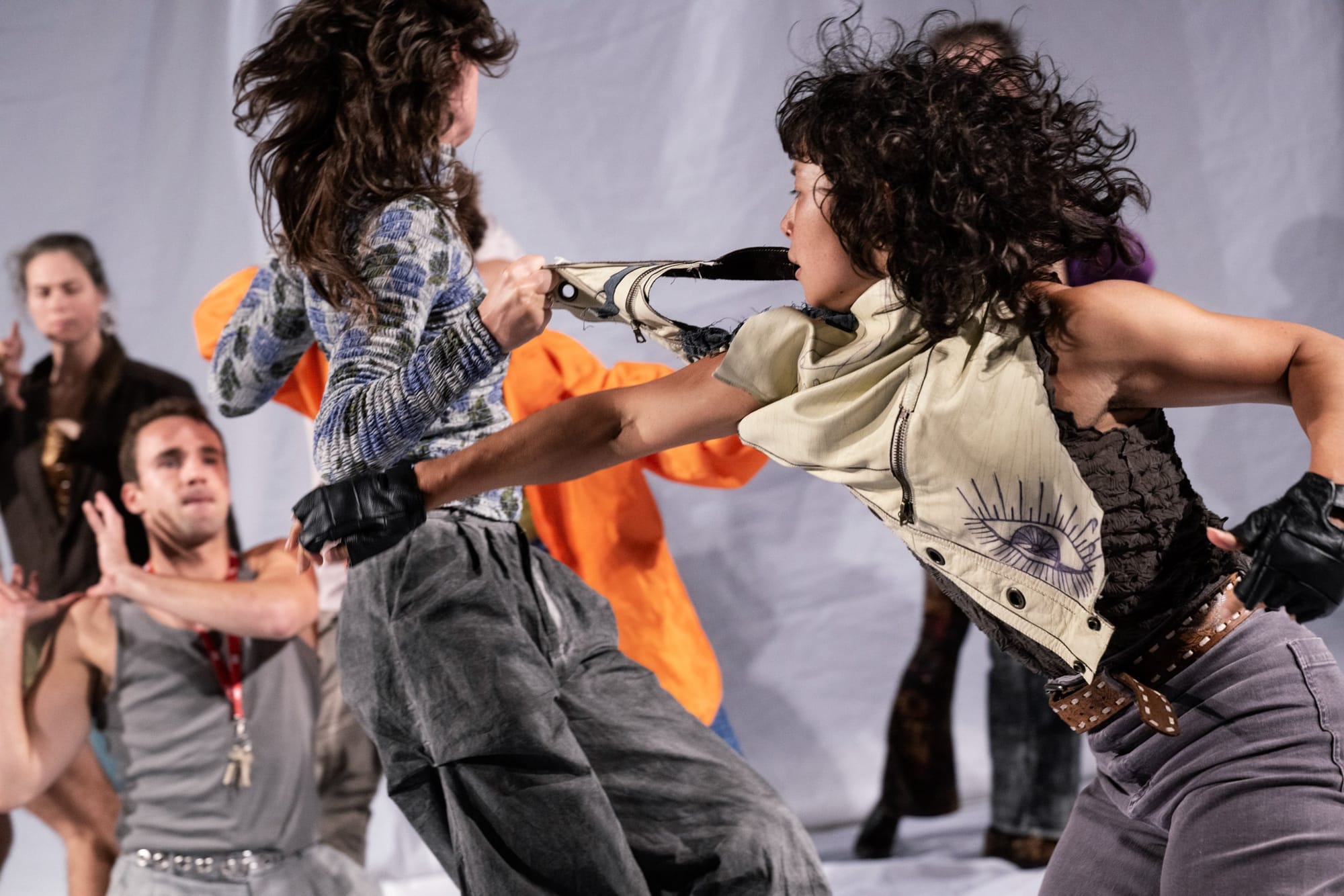
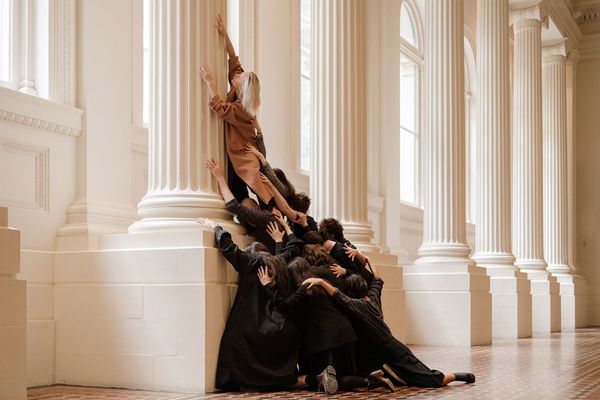
In flesh chariot, chariot of flesh, American choreographer Faye Driscoll brings the sixteen dancers of Swedish company Cullberg together in an ever-shifting human landscape. Bodies collide, merge, vibrate and dissolve into one another, continuously forming and transforming collective images. Like a living painting taking shape in real time, the performers move between individual presence and collective form, creating a constantly changing tableau vivant in which bodies become both material and image. Pushing performers and audiences into an immersive visual and physical experience, Driscoll explores the possibilities of the body as a fluid, collective and constantly transforming entity.
Numerical Series 13 & 14
TAO Dance Theater · 8–13 December · The Joyce Theater · New York, USA
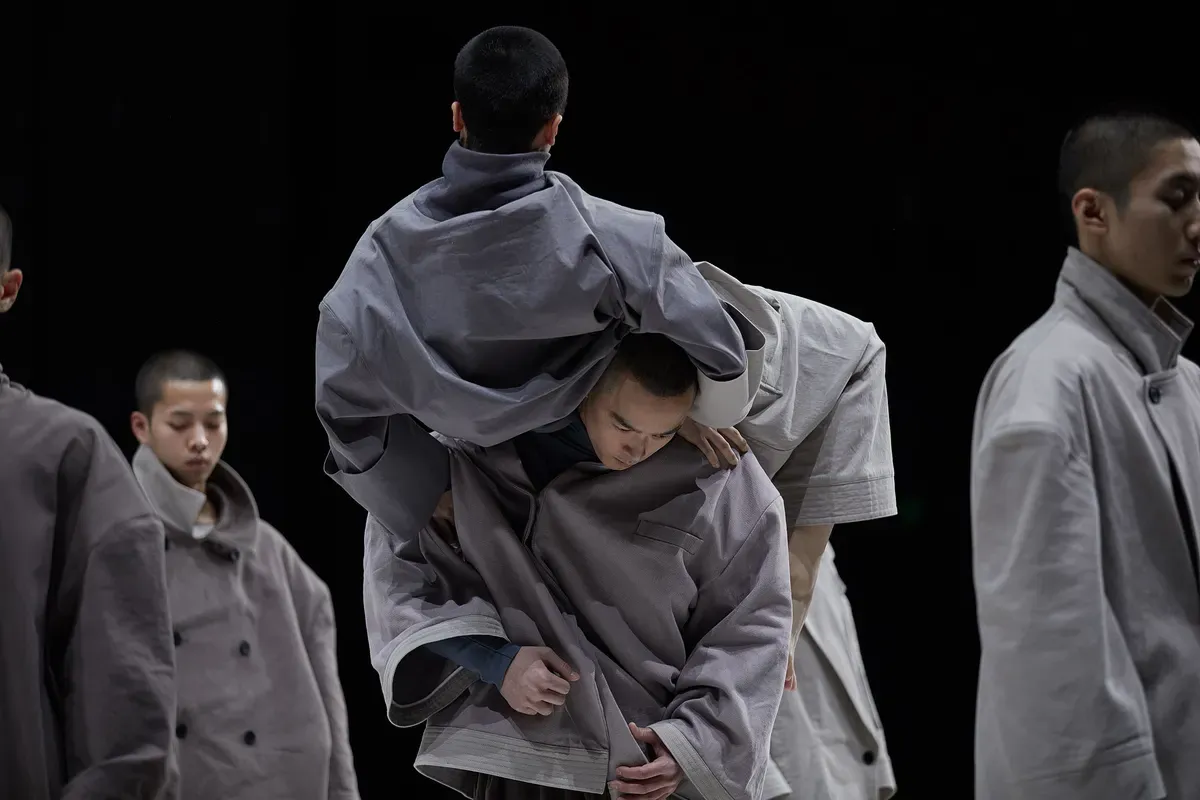
In Numerical Series 13 & 14, Chinese choreographer Tao Ye brings together two works from his ongoing Numerical Series, exploring the expressive possibilities of the moving body through precision, repetition and collective movement. In 13, dancers retain their individuality while remaining part of a shared physical composition, with subtle shifts in costume color reflecting the interplay between individual expression and the group. In 14, this visual palette expands into a chromatic explosion, accompanying a fluid, sinuous choreography performed in unison. Moving between individual presence and collective synchronization, the two works offer a study of the body's capacity for expression, connection and transformation. It's the company's Joyce debut, with North American premieres of both works.
Lullaby shot
Leïla Ka · 9–11 December · Maison de la danse · Lyon, France
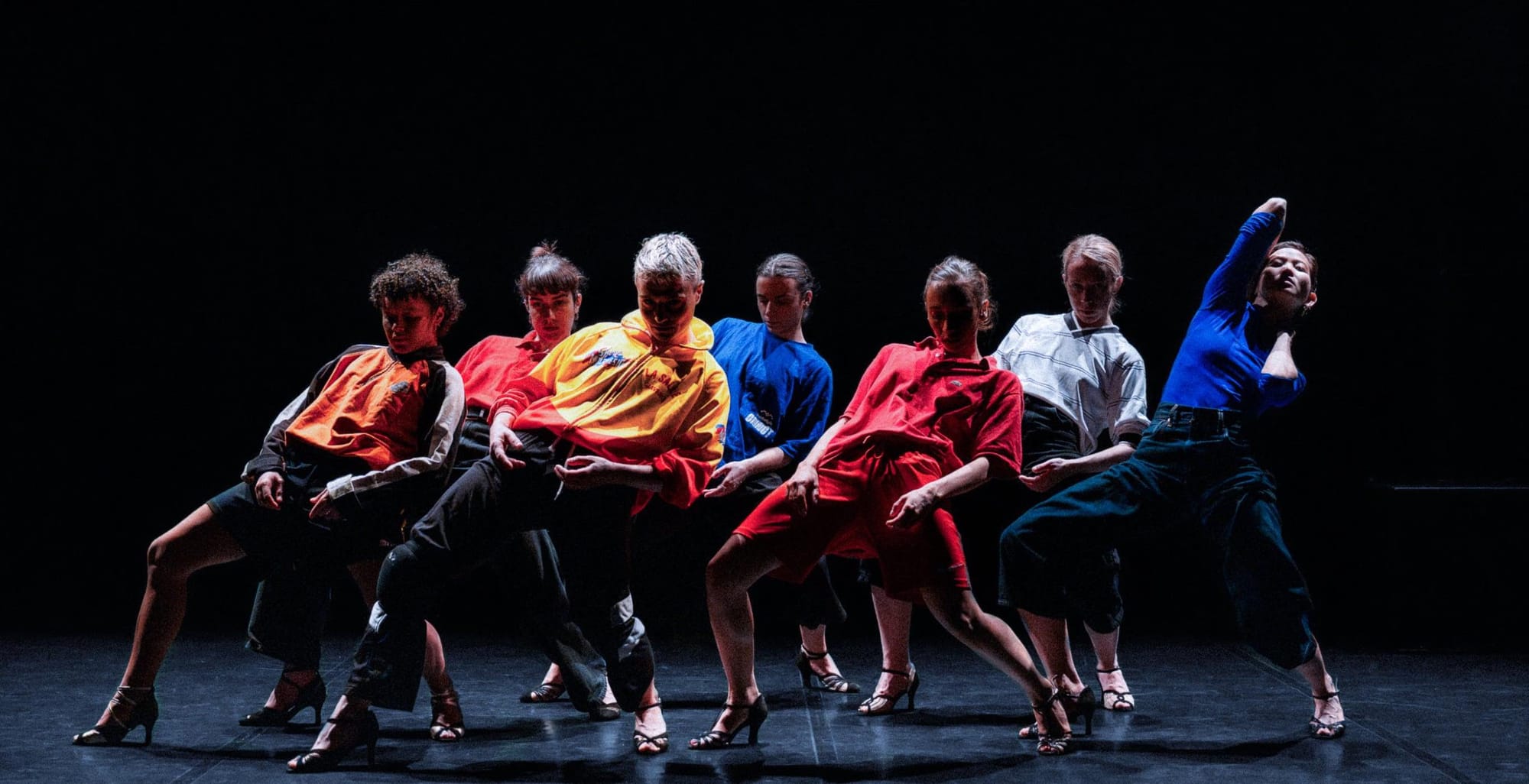
In Lullaby shot, choreographer Leïla Ka brings eight women together in a high-energy choreography set to electronic music. Described as a gathering of peaceful amazons, the performers take over the stage with an explosive physical presence, moving between power, tension and exuberance. Drawing on Ka's background in hip-hop and contemporary dance, the work explores the force of a group of women occupying space together, transforming collective movement into an expression of strength and presence.
TiNTiY (Tomorrowisnowtodayisyesterday)
Sung Im Her / Her Project · 10–16 December · Chaillot – Théâtre national de la Danse · Paris, France
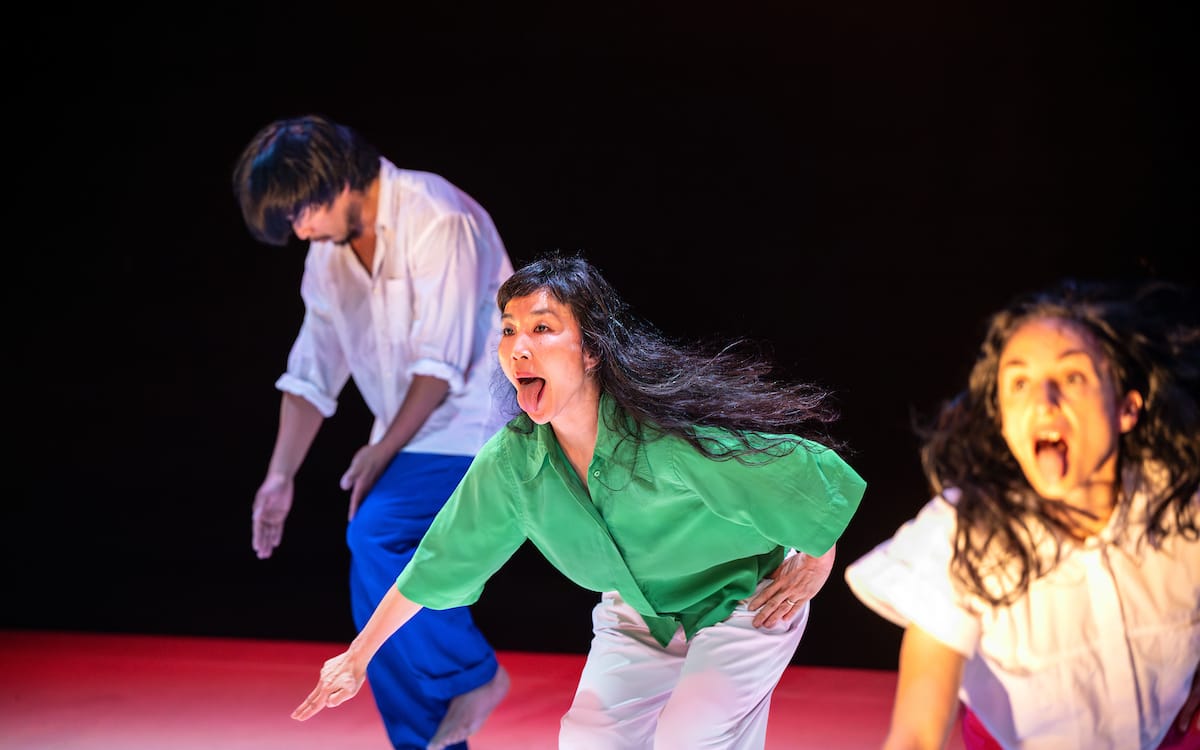
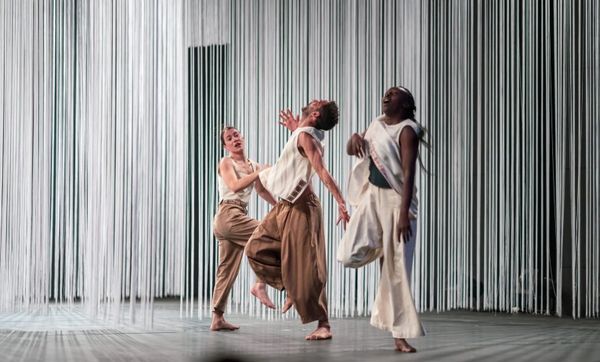
In TiNTiY (Tomorrowisnowtodayisyesterday), choreographer Sung Im Her examines how social media and the constant consumption of digital content shape our bodies, minds and identities. Three performers take to a stripped-back stage, repeating exaggerated, highly produced gestures inspired by the visual language of internet memes and online entertainment. Set to a hypnotic club soundtrack by Belgian duo Husk Husk, the choreography moves between humor, physical intensity and repetition, gradually revealing the unease beneath the seemingly entertaining surface of online culture. As individual and collective identities become increasingly blurred, the work confronts a world saturated with information, competing opinions and alternative truths.
BLOW UP: Work in Floating
Olga Rabetskaya / OR Works · 12 December · Center for Performance Research · Brooklyn, New York, USA
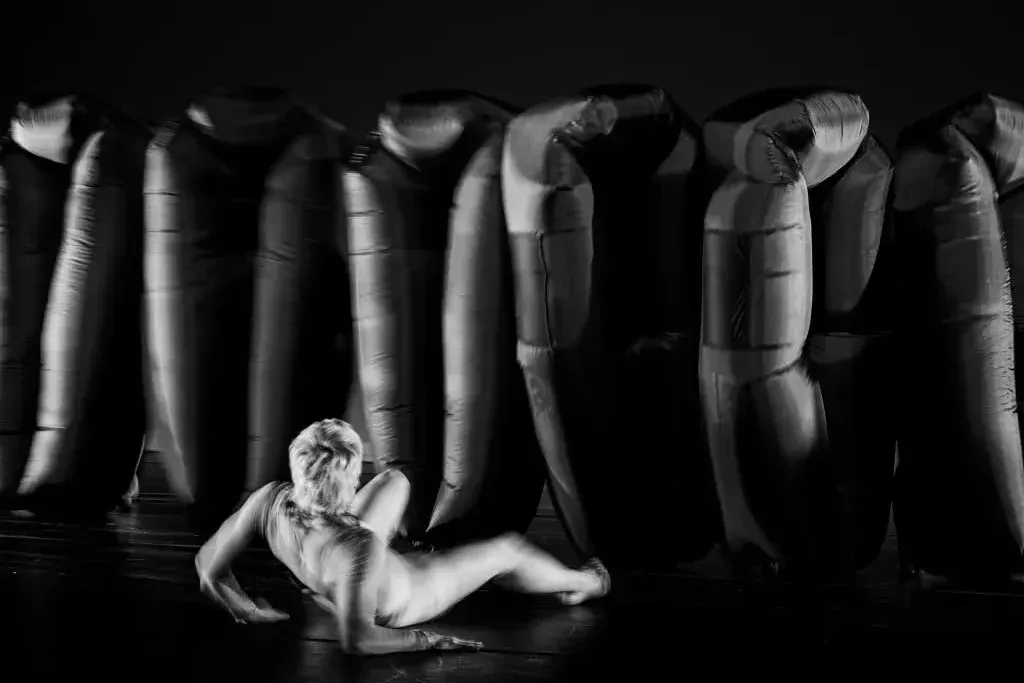
In BLOW UP: Work in Floating, choreographer Olga Rabetskaya uses inflatable boats as both physical objects and metaphors to explore the pursuit of success, the search for intimacy and belonging, and the precarious balance between ambition and survival. Through movement, sound, and shifting relationships, performers navigate an unstable world in which things are constantly expanding, drifting, and threatening to collapse. Moving between the literal and the symbolic, the inflatable boats become a way to examine the promises we invest in, the structures we try to build around ourselves, and the fragility of the ground beneath our feet.
Ce que le ciel ne sait pas
Feda Wardak, with choreography by Saïdo Lehlouh and music by Deena Abdelwahed · 17-19 December · Grande Halle, La Villette · Paris, France
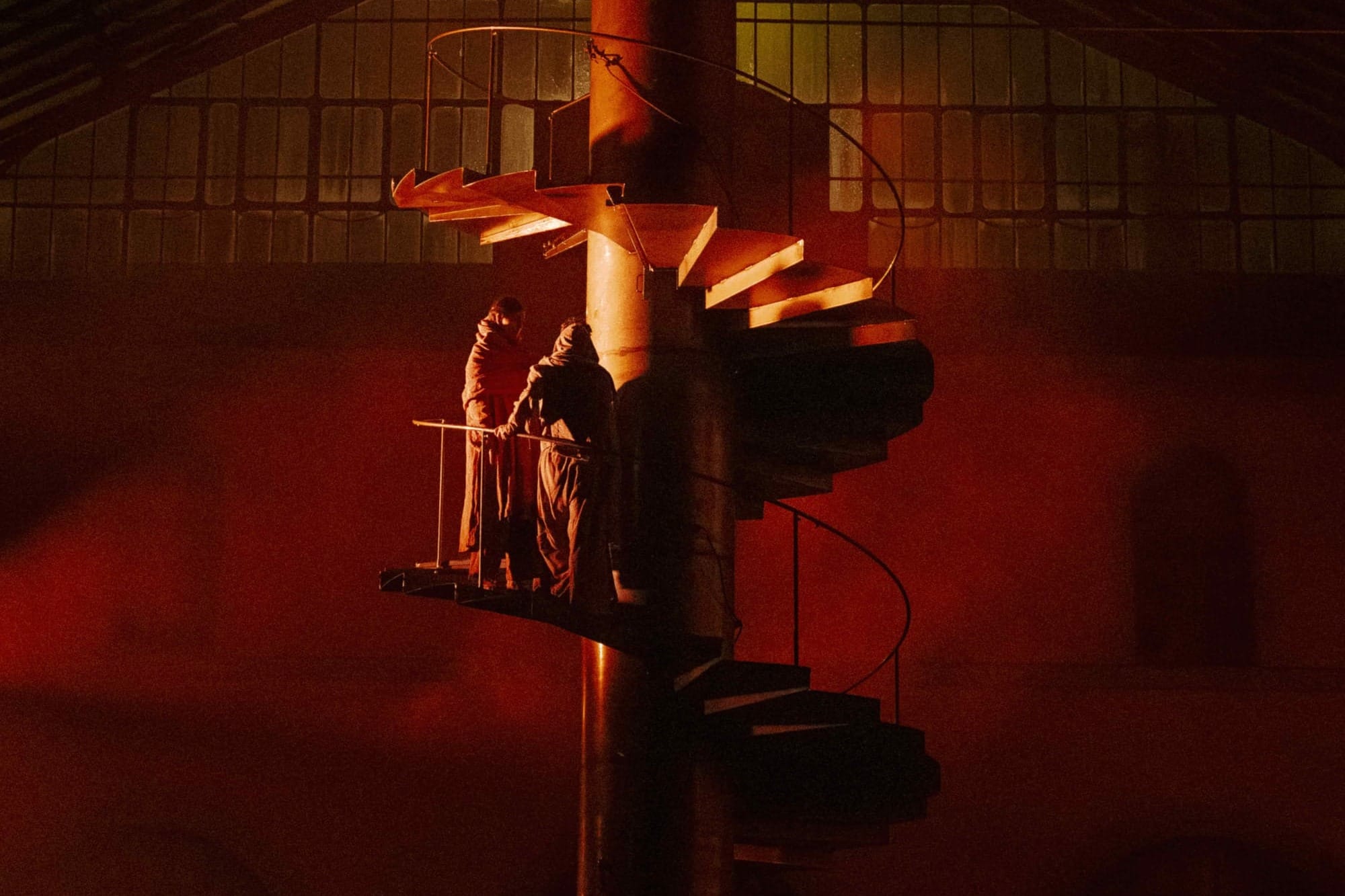
In Ce que le ciel ne sait pas (What the Sky Does Not Know), Franco-Afghan artist Feda Wardak builds the stage as a nave with a helical staircase that spirals upward like a giant drill. Through choreography by Saïdo Lehlouh and music by Deena Abdelwahed, the installation becomes an immersive exploration of the life of Afghan "water seekers," the artisans who repair the karez, the ancient irrigation tunnels damaged by bombing. Its three layers, sky, earth and underground, tell a vertical story of water, extraction and resistance, set against the view of Western drones that see only anonymous heat pockets from above.
Hopepunk
Julia B. Laperrière · 17–20 December · Radialsystem · Berlin, Germany
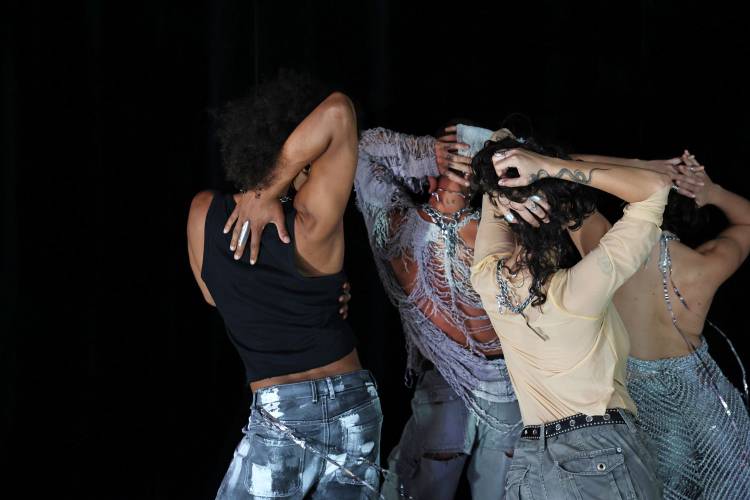
In Hopepunk, choreographer Julia B. Laperrière turns joy into a form of resistance against a world marked by exhaustion, loneliness, anger, and fear. Bringing together four dancers and a musician, the performance draws on club culture, groove-based movement, and somatic practices to explore how rhythm, sweat, and physical vulnerability can generate connection. The performers move between individual expression and collective action, repeatedly losing and rediscovering their connection with one another. Hope emerges as a physical and shared practice, built through dancing together, embracing vulnerability, and caring for one another.